
Rethinking What Growth Really Means
Growth often gets framed as a revenue number going up and to the right. But the smart players know that’s only part of it. Real growth includes retention keeping your customers and your team. It’s about resilience when things dip, and staying relevant when trends shift. That’s the kind of growth that lasts.
Scaling too fast looks good on paper until the cracks show: missed deadlines, churn, team burnout. Shortcuts in hiring or infrastructure might seem efficient, but they cost more in the long run. Sustainable growth means building systems that don’t collapse when demand spikes.
This isn’t anti growth. It’s growth done right. Start with strengthening your foundation. Think about how your people, processes, and tools support what you’re building not just now, but at 3x the volume.
Explore proven sustainable growth plans
Strategy #1: Strengthen Core Operations
Before you chase bigger numbers or wider reach, get your house in order. Scaling chaos just gives you bigger headaches. Start by stripping down your workflows. Look at where things pile up handoffs, delays, unclear ownership and cut the clutter before adding more layers. Streamlining isn’t sexy, but it’s what keeps the wheels turning when everything starts moving faster.
Next, run a full audit of your systems. What tools are slowing you down? Where are you duplicating work? Are your team, tech, and processes built to handle 3x the load or already stretched thin? Don’t wait for cracks to show. Find the pressure points now.
Finally, fix the bottlenecks. Whether it’s a legacy process, a rusty platform, or misaligned roles, patching leaks early saves real pain later. Strong foundations don’t just support growth they make it possible.
Strategy #2: Focus on Profitable Customers
Growth isn’t just about adding more names to a list. Not all customers bring long term value and chasing everyone often leads to bloated costs and overextended systems. The smarter move? Put your energy where the upside is.
Use your data. Dig into lifetime value (LTV), repeat purchase behavior, support usage, and churn rates. Find the patterns. The customers who keep coming back, spend more, and refer others? That’s your gold. Prioritize them. Understand what they need, and build more of it into your offers.
Instead of only pumping leads into the funnel, veterans of sustainable growth design loyalty programs, member perks, and personalized campaigns that reward staying power. Conversion is great but retention is where your margins breathe.
Growth gets a lot easier when you stop treating all customers equally, and start building for the ones who already prove they’re worth it.
Strategy #3: Invest in Scalable Infrastructure
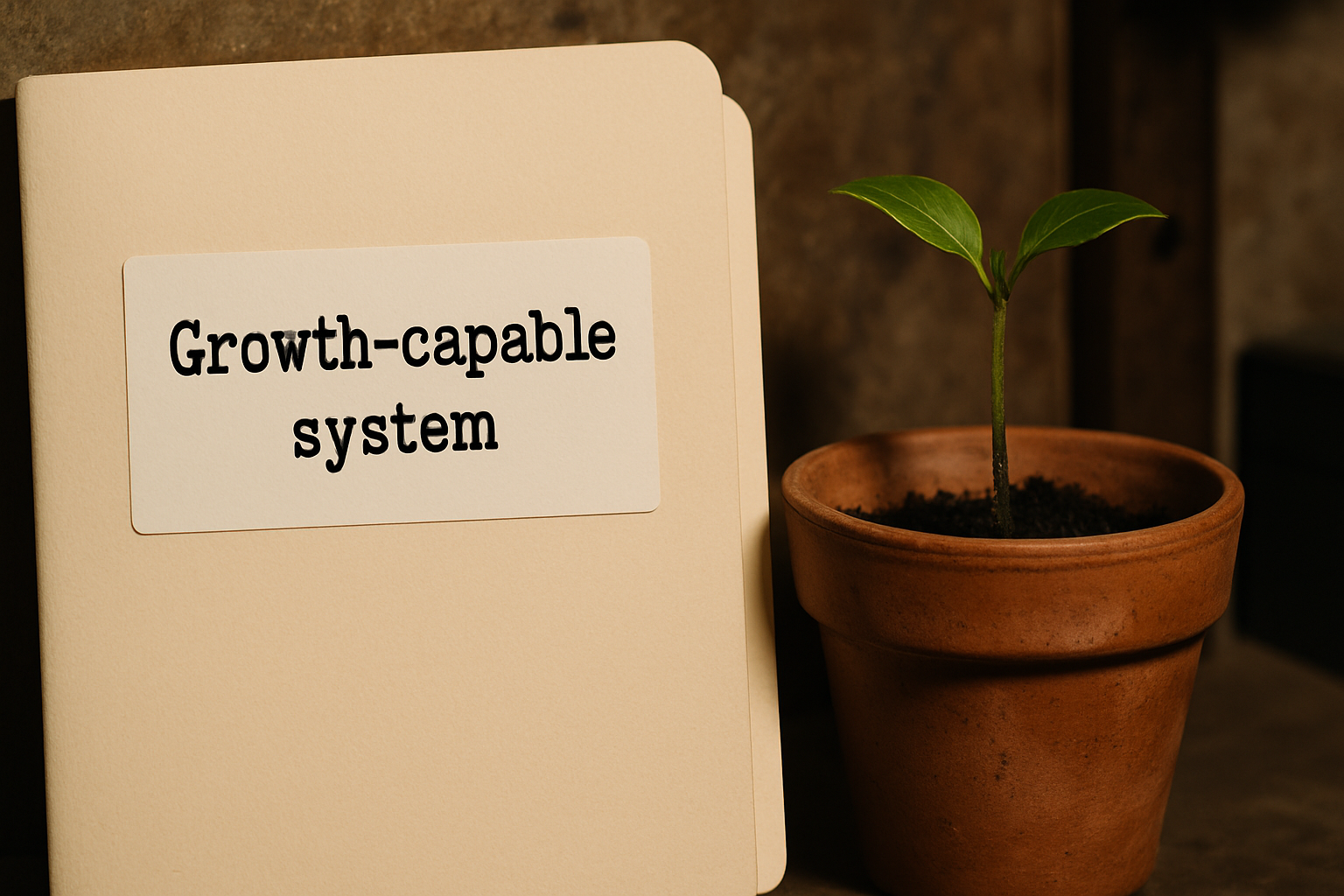
Waiting until things break is a terrible strategy. If you’re scaling or planning to you need systems that can handle it before the pressure hits. That means cloud based tools that grow with you, automation that cuts grunt work, and modular software that can flex as your needs change. Old school setups and duct taped workflows won’t cut it now.
Smart businesses are also thinking holistically: every hire, process, update it’s all got to plug into something bigger and more agile. If it doesn’t support the overall system, it’s friction. And friction slows growth, burns time, and bleeds money.
If this isn’t on your radar yet, make it a top priority. Infrastructure doesn’t just support growth it enables it.
Read more about scalable infrastructure in sustainable growth plans
Strategy #4: Finance Growth Wisely
Fast money is tempting but it can break a business just as fast. Sustainable scale isn’t about throwing capital at problems and hoping for the best. It’s about using the right kind of capital at the right time, backed by a plan that actually holds up.
Start with your cash flow. If your business isn’t generating steady margins or can’t cover its own weight for more than a quarter, outside funding will only accelerate instability. Nail the basics first clean books, predictable revenue, lean ops. Then look outward.
When you do raise capital, be selective about your instrument. Growth debt can keep you in control and minimize dilution, but it requires discipline and scheduled payback. Equity might bring in strategic partners or longer runways but at the cost of ownership and control. Know your roadmap, your tolerance, and your timeline.
Smart capital isn’t just money. It’s alignment. And at scale, that means everything.
Strategy #5: Build a Culture That Can Scale
Culture isn’t something you think about after you’ve grown it’s what makes growth possible in the first place. It defines how people make decisions under pressure, how they communicate across teams, and how they handle conflict or change. If those expectations aren’t clear early, they don’t magically appear later.
Start by writing it down. Your values. Your norms. How you want feedback to work. How decisions get made when things get messy. These aren’t corporate buzzwords they’re the blueprint for how your team operates when no one’s watching. Without this clarity, scaling doubles the chaos instead of the impact.
As your team expands, leadership can’t be accidental. Train early managers so they’re not just experts at tasks, but capable of guiding people. Culture scales when leadership scales. Systems evolve. People evolve. Your culture should, too but only if it’s built to handle the stretch.
Stay Focused, Stay Sustainable
Growth without direction is just noise. Start by setting KPIs that reflect real value not vanity metrics. Think lifetime customer value, churn reduction, or time to delivery improvements. Numbers worth tracking are the ones that tie back to your mission and strengthen your operating core.
Then stack the small wins. A 2% boost in retention here, a 10 minute cut in process time there. These add up. When you focus on incremental improvement, you’re building momentum you can actually control. Sustainable growth isn’t about doubling overnight; it’s about building leverage piece by piece.
And pace yourself. Burnout is expensive especially when it hits your best people or damages your credibility. Smart brands scale with intention, creating breathing room inside their systems. Prioritize margin, both in profit and in energy. If your team can’t deliver at high quality six months from now, then it’s not sustainable growth. It’s just speed with a ticking clock.

 Helen Ortegalinas is an author at Factor Daily Lead with a focus on digital transformation, cloud innovation, and data-driven solutions. Her writing bridges the gap between complex systems and real-world applications, making tech advancements accessible to a broad audience.