
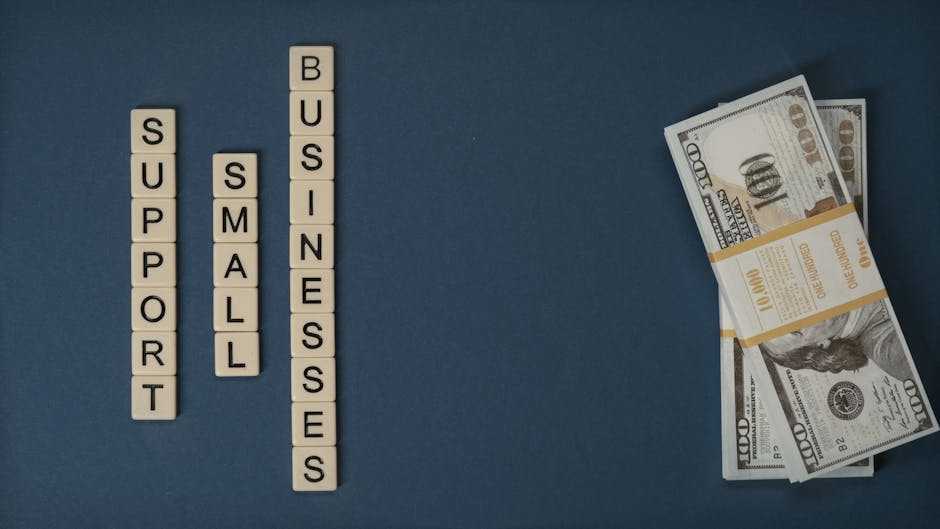
Backbone of Employment
Small businesses aren’t just local shops they’re responsible for more than 60% of jobs worldwide, according to the International Labour Organization. In countries like the U.S., small firms employ nearly half the private workforce. In emerging markets, that number climbs even higher, with small and medium enterprises (SMEs) often accounting for 70% or more of formal employment. These aren’t side players they’re the engine.
The reason’s pretty simple: small businesses hire locally, faster, and often with far less red tape. Whether it’s a barber in Nairobi, a fabric vendor in Bogotá, or a web dev startup in Warsaw, small businesses plug into their communities. They tend to take more chances on younger or less formally trained workers, which directly helps chip away at unemployment numbers in places where big companies aren’t hiring.
The ripple effects are real. More locals working means more stable families, higher local spending, and stronger communities. That stability fuels growth from the ground up because employment isn’t just a statistic; it’s the foundation of sustainable economies.
Innovation From the Ground Up
Disruption doesn’t always come from the top. In fact, it rarely does. Small businesses lean, fast, and free from corporate red tape are often the first to spot opportunity in broken systems. They’re not weighed down by legacy tools or slow moving hierarchies. That speed and flexibility lets them experiment, pivot, and launch faster than big players can even finish a meeting.
It’s not just theory it’s happening. A Colombian fintech startup used mobile first tech to reimagine access to credit in rural areas. A Malaysian cosmetics brand exploded across Southeast Asia by tapping TikTok trends to sell halal certified beauty. A Brooklyn based 3D printing shop scaled a new model for on demand medical devices. These aren’t flukes they’re the result of local insight, tested fast and scaled smart.
When you’re small, every move counts. That pressure to survive builds a culture where creative risk is baked in. And in today’s global economy, the next big idea often starts under a leaky roof, not in a corner office.
Local Roots, Global Reach
Small businesses are quietly making big moves across borders thanks mostly to e commerce. Platforms like Shopify, Etsy, and social marketplaces have turned what used to be a logistical nightmare into a scalable play. Now, a handmade ceramics shop in Portugal can ship to Japan just as easily as to Madrid. It’s not just about access it’s about visibility.
These enterprises often sit inside rich, local supply chains. When they go global, they bring those networks with them. For example, a Nigerian skincare brand using local shea butter now serves customers in Canada and the UK, introducing global markets to regional resources. That influence flows both ways: foreign demand stabilizes local production, and international exposure upgrades the standards at home.
Plenty of small businesses are punching above their weight. A yarn producer in Peru now exports to fashion schools across Europe. A Thai coffee grower built a subscription base in the U.S. through Instagram alone. They’re not just selling products they’re exporting identity, quality, and trust. Cross border trade isn’t reserved for big brands anymore. It’s a frontier pulled open by small hands with bold ideas.
Resilience in Economic Shifts

When crisis hits whether it’s a recession, pandemic, or supply chain breakdown small businesses move quick. They pivot faster than large corporations because there’s less red tape, simpler decision making, and a lot of skin in the game. A boutique clothing store switches to selling masks. A tech startup rolls out remote features overnight. These aren’t hypothetical examples they’ve played out in headlines around the world.
Post crisis, small firms become vital engines of recovery. They reopen local jobs, restore supply chains, and help confidence return to communities. Unlike bigger players pulling back or consolidating, small businesses lean in to rebuild. It’s gritty work, but foundational the kind that stabilizes neighborhoods and regional economies alike.
Decentralization is part of this resilience. When economic power isn’t concentrated in just a few giant corporations or urban centers, the system bends instead of breaks. A global economy with millions of small and mid sized players becomes tougher to collapse. Think of it like a net: more nodes mean more strength.
In short, small businesses aren’t just survivors of global disruption. They’re frontline responders and long term stabilizers.
A Chain Reaction of Growth
When small businesses thrive, the ripple effect hits close to home first. Growth in even a handful of neighborhood enterprises bookstores, cafes, repair shops, boutique consultancies can trigger increased demand for everything from logistics and broadband to childcare and legal services. That kind of local momentum matters.
As revenue flows in, reinvestment follows. You see it in the street level details: improved storefronts, busier sidewalks, flyers on community boards about new courses or job openings. It also scales up. Municipalities respond to the traction with better infrastructure repaving roads, expanding public transit routes, or upgrading digital access. Schools and public service programs benefit from a rising tax base tied to business activity.
But maybe the most lasting impact is wealth that stays put. Instead of profits bleeding into distant headquarters, money circulates within neighborhoods. A shopkeeper hires a local contractor. That contractor buys from another small vendor. The loop reinforces itself.
Growth, then, isn’t just about upward numbers. It’s about tighter networks, stronger communities, and long term durability. That starts almost always with the small guys building momentum from the ground up.
Policy and Investment Support Matters
Governments and international institutions aren’t just cheerleading small business they’re investing in them, hard. Why? Because small enterprises are proving they can do what big ones sometimes can’t: stay local, move fast, and hire from the neighborhood.
Microfinance has allowed people with solid ideas but limited access to capital to get started. One loan at a time, it’s turning informal hustles into registered businesses. Meanwhile, training programs especially those geared toward women, youth, and rural populations are filling skills gaps that previously left swaths of the workforce idle.
Digital access is another gamechanger. More small businesses are getting online than ever before. Ecommerce platforms, mobile payment systems, and cloud based tools let even the smallest player sell to global markets.
And it works. Countries that lean on small business policy have seen upticks in economic activity, job creation, and export diversity. In short, when policy focuses on the grassroots, the entire economy grows taller. It’s not about charity it’s about compounding returns from smart support.
Explore More on This Topic
Small businesses aren’t just a piece of the economy they’re the connective tissue holding it together. They hire locally, adapt fast, and stay embedded in their communities while quietly reaching global markets. Whether it’s a husband and wife clothing startup using social media to ship worldwide or a corner shop sourcing inventory through international partners, these businesses help weave a tighter, more resilient global supply chain.
What makes them essential isn’t size it’s impact. Small businesses challenge corporate inertia. They stay lean in downturns, rediscover momentum faster when bigger players stall, and often lead in digital first innovation out of necessity. Every transaction, every job created, every skill taught at a micro level ripples outward.
They don’t need corporate scale budgets or sprawling offices to matter. They need visibility, infrastructure, and investment that meets them where they are. And that’s happening more now governments, investors, even multilateral partners are leaning into support because the data doesn’t lie: when small businesses grow, entire economies lift.
For more insights, check out Small Business Impact and Another Perspective on Small Business Impact.